

Please note: This website contains affiliate links. As an Amazon Associate, we earn from qualifying purchases at no additional cost to you.
Some foods just work harder for you.
They take more energy to digest, fire up your fat-burning systems, feed the gut bacteria that regulate your metabolism, or keep your blood sugar stable enough that your body never has to slam the brakes on calorie burning.
This is your complete guide to those foods — organized by category, explained simply, and backed by real science. Not fads. Not supplements disguised as food. Just the actual, evidence-based list of metabolism boosting foods worth adding to your plate.
We’ve also included a ranked quick-reference table further down for when you want the short version — and internal links throughout to recipes and articles that put these foods to work.
Jump to What You Need
- How food affects your metabolism
- Category 1: High-protein foods
- Category 2: Thermogenic foods & spices
- Category 3: Fiber & prebiotic foods
- Category 4: Healthy fats
- Category 5: Metabolism-supporting drinks
- Category 6: Anti-inflammatory foods
- Top 25 metabolism boosting foods — ranked table
- Foods to limit or avoid
- How to build metabolism-boosting meals
- FAQs
How Food Affects Your Metabolism
Before we get into the list, here’s a quick primer on the mechanisms at play — because not all metabolism-boosting foods work the same way.
- Thermic Effect of Food (TEF): Your body burns calories just digesting food. Protein has the highest TEF at 20–35% — meaning for every 100 calories of protein you eat, your body burns 20–35 of them just processing it. Carbs come in at 5–15%, fats at just 0–5%.
- Thermogenesis: Certain compounds — capsaicin in chili peppers, caffeine in coffee and green tea, gingerols in ginger — temporarily increase heat production in your body, boosting calorie burn for hours.
- Blood sugar stability: Foods that keep blood sugar steady prevent the insulin spikes and crashes that signal your body to store fat and conserve energy. Fiber, healthy fats, and protein all help here.
- Gut microbiome support: A diverse, thriving gut microbiome is increasingly linked to better metabolic efficiency. Prebiotic and probiotic foods feed and populate the bacteria that regulate how you process energy.
- Muscle support: Muscle tissue burns 3–5x more calories at rest than fat tissue. Foods that support muscle maintenance and growth — primarily protein — are directly raising your resting metabolic rate.
For the full breakdown on lifestyle factors that work alongside these foods, see our guide on how to boost your metabolism.
Category 1: High-Protein Foods
Protein is the single most powerful food-based lever for metabolism. Its high thermic effect, muscle-preserving properties, and satiety impact make it non-negotiable in any metabolism-boosting eating plan. Aim for 25–35g per meal.
Eggs
Complete protein + choline for metabolism support. Eggs contain all nine essential amino acids and are one of the most bioavailable protein sources available. The yolk provides choline, which is critical for fat metabolism and liver health — and the whole egg keeps you full significantly longer than egg whites alone. Two eggs deliver roughly 12g of protein with a high thermic effect.
Chicken Breast
Lean protein with maximum TEF. Chicken breast delivers around 31g of protein per 100g with minimal fat. It’s also rich in selenium, which supports thyroid function — a key regulator of metabolic rate.
Salmon & Fatty Fish
Omega-3s + protein for a metabolic double punch. Salmon, sardines, mackerel, and tuna combine high-quality protein (around 25g per serving) with omega-3 fatty acids that reduce inflammation and have been shown in studies to increase fat oxidation. The omega-3/protein combination also supports the lean muscle mass that keeps your resting metabolic rate elevated.
Cottage Cheese
Casein protein for sustained muscle support overnight. Cottage cheese is one of the best slow-digesting protein sources available — its casein protein is absorbed gradually, making it exceptional for overnight muscle preservation. Half a cup delivers 14g of protein with only around 90 calories, plus leucine — the amino acid most associated with muscle protein synthesis.
QUICK NOTE: The WellNest team is slightly obsessed with cottage cheese! We created The Cottage Cheese Corner on our site with well over 75+ cottage cheese recipes and ideas – many that work well for people who don’t love the texture of cottage cheese!
Greek Yogurt
Probiotics + protein = gut and metabolism support in one. Full-fat Greek yogurt hits two metabolic levers at once — delivering 17–20g of protein per cup while providing live Lactobacillus cultures that support gut microbiome health. A thriving gut microbiome is consistently linked to better metabolic efficiency and reduced inflammation.
Turkey
Lean protein rich in metabolism-supporting minerals. Turkey delivers about 29g of protein per 100g and is particularly rich in zinc and selenium — two minerals essential for healthy thyroid function, which is the master regulator of your basal metabolic rate.
Tuna
High protein, low calorie, rich in iodine. Canned tuna delivers around 25g of protein per 100g with minimal fat and calories. Its iodine content supports thyroid function, and its protein-to-calorie ratio is among the highest of any food.
PRO TIP: If you’d like to maximize your protein, I’ve been using the Safe Catch brand – it has a whopping 40 grams of protein in each can (versus the usual 25g).

Safe Catch Canned Wild Tuna (40G Protein)
Shop on Amazon
$23.99
Wild Caught, Lowest Mercury, Gluten-Free, Kosher, Non-GMO, Whole30, Paleo, Keto Food, 40g Protein per can!
We earn a commission if you make a purchase, at no additional cost to you.
09/25/2026 04:06 am GMT
Legumes
Plant protein + prebiotic fiber = sustained metabolic fuel. Lentils, chickpeas, and black beans combine plant-based protein (15–18g per cooked cup) with prebiotic fiber that feeds metabolism-supporting gut bacteria. Their high fiber content also stabilizes blood sugar and prevents the energy crashes that suppress metabolic rate.
Category 2: Thermogenic Foods & Spices
Thermogenic foods temporarily increase your body’s heat production, which translates to more calories burned in the hours after eating. The effect is real but modest — think of these as supporting players, not star performers.
Chili Peppers
Capsaicin triggers thermogenesis and appetite reduction. Research consistently shows capsaicin temporarily increases metabolic rate by 4–5% and fat oxidation by up to 16% for several hours after eating. It also reduces appetite, making it a double-benefit addition to meals. Fresh, dried, or as flakes — all forms are effective.
Ginger
Gingerols boost thermogenesis and may reduce hunger. Ginger contains gingerols and shogaols with both anti-inflammatory and thermogenic properties. Studies suggest ginger can increase thermogenesis by around 43 calories per meal and reduce hunger — making it one of the most functional spices for metabolism. Try it in our Lemon Ginger Digestive Detox Smoothie or Ginger Turmeric Immunity Shots.
Turmeric
Curcumin reduces metabolic inflammation at the root. Turmeric’s active compound curcumin directly addresses one of the most common hidden causes of slow metabolism — chronic low-grade inflammation.
PRO TIP: Always combine with black pepper (piperine increases curcumin absorption by up to 2,000%) and a healthy fat for maximum effect.
Cinnamon
Blood sugar regulation reduces fat-storing insulin spikes. Cinnamon consistently improves insulin sensitivity and slows gastric emptying — meaning blood sugar rises more gradually after meals. Since large insulin spikes promote fat storage and energy crashes, cinnamon’s blood sugar stabilizing effect indirectly but meaningfully supports metabolic efficiency.
Mustard Seeds
One of the most potent thermogenic spices gram for gram. Research has shown mustard seeds can temporarily boost metabolic rate by 20–25% for several hours — one of the highest thermogenic effects of any spice. Add mustard to dressings, marinades, and sauces freely.
Personal Note: This was definitely a new one for me! Over the last few months, I’ve been adding this into whatever I can!

The Spice Way Yellow Mustard Seed
Shop on Amazon
$5.99
Healthy, metabolism boosting spice.
We earn a commission if you make a purchase, at no additional cost to you.
09/25/2026 04:06 am GMT
Black Pepper
Piperine blocks fat cell formation and boosts nutrient absorption. Black pepper’s piperine has been shown to interfere with the formation of new fat cells and significantly increase the bioavailability of other nutrients — particularly curcumin. It’s one of the best supporting spices when combined with turmeric, chili, or ginger.
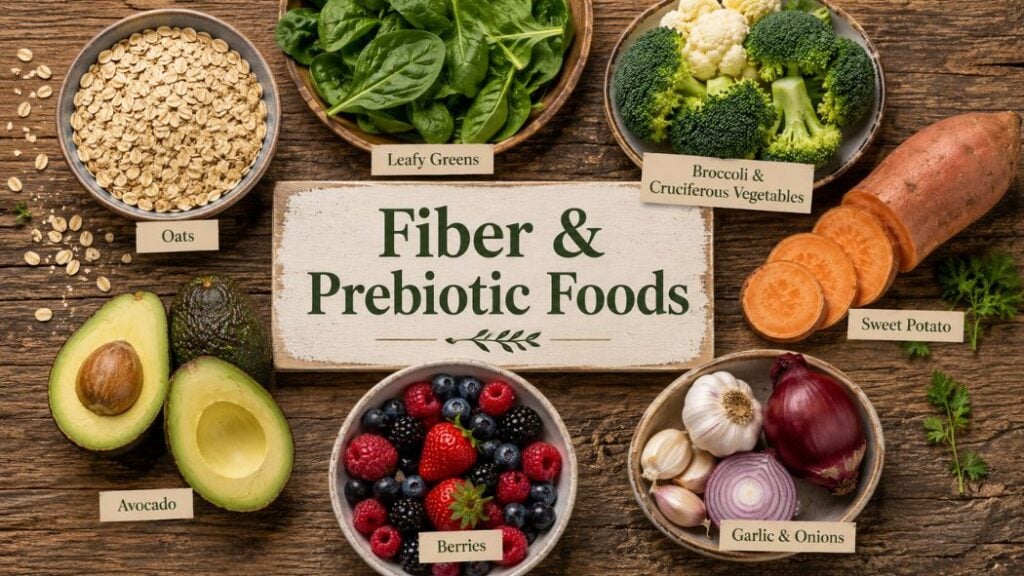
Category 3: Fiber & Prebiotic Foods
Dietary fiber and prebiotic foods feed the gut bacteria that regulate your metabolic efficiency, reduce inflammation, and stabilize blood sugar. Most people eat far less fiber than optimal — and their metabolism pays the price.
Oats
Beta-glucan fiber for blood sugar stability and gut health. Oats contain beta-glucan — a specific soluble fiber that slows digestion, stabilizes blood sugar, and feeds Bifidobacterium, one of the most beneficial gut bacteria strains for metabolic health. Steel-cut or rolled oats have a lower glycemic impact than instant varieties.
Leafy Greens
Low calorie, high nutrient density, thermogenic in digestion. Spinach, kale, arugula, Swiss chard, and romaine provide magnesium (essential for hundreds of metabolic processes), and their high water and fiber content has a slight negative caloric effect — meaning your body uses more energy digesting them than they provide.
Broccoli & Cruciferous Vegetables
Supports liver detox pathways that regulate metabolism. Broccoli, cauliflower, Brussels sprouts, and cabbage contain glucosinolates and DIM that support liver detoxification — a key upstream function for healthy hormone and metabolic regulation. Rich in fiber and vitamin C, which supports cortisol regulation.
Sweet Potato
Resistant starch that feeds gut bacteria and stabilizes blood sugar. Sweet potatoes are rich in resistant starch (especially when cooked and cooled) that bypasses digestion and feeds beneficial gut bacteria. They also provide slow-release carbohydrates and vitamin B6 — essential for energy metabolism.
Avocado
Healthy fats + fiber combo reduces metabolic inflammation. Avocados provide 7g of fiber per half along with monounsaturated fats that slow digestion, improve satiety, and reduce post-meal blood sugar response. Rich in potassium, which supports muscle function.
Berries
Antioxidants reduce metabolic inflammation with minimal sugar impact. Blueberries, raspberries, blackberries, and strawberries are among the lowest-sugar fruits while being some of the richest sources of polyphenols that reduce metabolic inflammation and improve insulin sensitivity. Frozen berries retain nearly the same antioxidant content as fresh.
Garlic & Onions
Prebiotic allicin and inulin feed metabolism-supporting gut bacteria. Garlic and onions are two of the best prebiotic foods available, containing fructooligosaccharides and inulin that selectively feed Bifidobacterium and Lactobacillus strains linked to better metabolic health.
Category 4: Healthy Fats
Healthy fats don’t slow your metabolism — quite the opposite. They reduce inflammation, support hormone production, improve nutrient absorption, and keep you full in ways that prevent the blood sugar chaos that suppresses metabolic rate.
Extra Virgin Olive Oil
Oleic acid reduces inflammation and supports healthy hormone production. Extra virgin olive oil’s oleocanthal compound has anti-inflammatory effects comparable to low-dose ibuprofen. Chronic inflammation is one of the leading hidden drivers of slow metabolism. Use cold or on low heat to preserve the active compounds.
Nuts (Almonds, Walnuts, Brazil Nuts)
Protein + fat + minerals for sustained metabolism support. Almonds provide protein and magnesium (critical for metabolic processes), walnuts are rich in anti-inflammatory omega-3s, and Brazil nuts are the single richest dietary source of selenium — just 2–3 per day meets your daily selenium requirement for thyroid function.
Chia Seeds & Flaxseeds
Omega-3 ALA, fiber, and protein in a tiny package. Chia seeds deliver plant-based omega-3s, 11g of fiber per ounce, and 4g of protein per ounce — collectively supporting gut health, reducing inflammation, and slowing blood sugar absorption. Ground flaxseeds add lignans that support estrogen metabolism, particularly relevant for women during hormonal shifts.
Coconut Oil (in moderation)
MCTs are processed differently — converted to energy faster than other fats. Coconut oil’s medium-chain triglycerides go directly to the liver where they’re preferentially used for energy rather than stored. Studies show MCTs can modestly increase calorie burn and fat oxidation. Use in moderation due to high saturated fat content.
Category 5: Metabolism-Supporting Drinks
What you drink is part of your metabolic picture. These beverages provide thermogenic compounds, probiotics, or hydration support that directly or indirectly influence metabolic rate.
Water
Hydration is the foundation — even mild dehydration slows metabolism by up to 3%. Drinking 500ml of water increases metabolic rate by up to 30% for 30–40 minutes. Cold water has a slight additional edge as your body expends energy warming it. Most people are chronically mildly dehydrated without knowing it.
Green Tea / Matcha
EGCG + caffeine = sustained thermogenesis without the crash. Green tea’s combination of EGCG and caffeine can increase metabolic rate by 3–4% and fat oxidation by up to 17%. Matcha — powdered whole-leaf green tea — provides significantly more EGCG than brewed green tea. See our Metabolism Booster Drinks article for full recipes.
Coffee
Caffeine is the most well-researched thermogenic compound in food. Caffeine directly stimulates the nervous system, signals fat cells to break down stored fat, and can increase metabolic rate by 3–11%. Black coffee or coffee with protein-rich milk maximizes the metabolic benefit without blood sugar disruption. Timing: 90 minutes after waking works with your natural cortisol curve.
Bone Broth
Collagen + protein + minerals for gut lining and metabolic support. Bone broth provides 7–10g of protein per cup along with collagen, gelatin, and minerals that support gut lining integrity — a key factor in reducing the systemic inflammation that suppresses metabolic function. Learn more in our gut healthy meals article.
RELATED: Why is Everyone Drinking Bone Broth? Benefits & Bone Broth Recipes
Apple Cider Vinegar (ACV)
May improve insulin sensitivity and reduce post-meal blood sugar. ACV’s acetic acid has been shown to improve insulin sensitivity, slow starch digestion, and reduce post-meal blood sugar spikes. Always dilute (1–2 tbsp per cup of water) and drink through a straw to protect tooth enamel.
Category 6: Anti-Inflammatory Foods
Chronic low-grade inflammation is one of the most underappreciated drivers of slow metabolism. These foods specifically target the inflammatory pathways that suppress metabolic function.
Wild-Caught Salmon
The gold standard anti-inflammatory food for metabolism. Wild-caught salmon delivers the highest concentration of anti-inflammatory omega-3 fatty acids (EPA and DHA) of any commonly eaten food. Regular oily fish consumption is linked to reduced systemic inflammation, better insulin sensitivity, and improved body composition. The 25g of protein per serving adds metabolic support through its high thermic effect.
Fermented Foods
Probiotics reduce gut inflammation that directly suppresses metabolism. Kimchi, sauerkraut, kefir, miso, and full-fat yogurt introduce live bacterial cultures that colonize the gut microbiome and reduce intestinal inflammation. A healthier gut microbiome is consistently linked to better metabolic efficiency and reduced systemic inflammation. See our 10 gut healthy meals for recipe ideas.
Dark Chocolate (70%+ cacao)
Flavonoids reduce metabolic inflammation with a mood benefit. Dark chocolate at 70% cacao or above contains flavonoids that reduce inflammatory markers and improve insulin sensitivity. A 1oz serving delivers the benefit — and 64mg of magnesium that additionally supports hundreds of metabolic processes.
Mushrooms
Unique polysaccharides support immune function and metabolic regulation. Shiitake, reishi, and lion’s mane mushrooms contain beta-glucans that support immune function, reduce inflammation, and improve insulin sensitivity. They’re also one of the few plant sources of vitamin D, which is linked to healthy metabolic rate and thyroid function.
Pomegranate
Punicalagins reduce metabolic inflammation and improve blood flow. Pomegranate contains extremely potent antioxidants that reduce arterial inflammation and improve insulin resistance. They also support blood flow to muscles, enhancing the metabolic benefit of exercise. Pomegranate seeds or unsweetened juice (small amounts) both work.
Top 25 Metabolism Boosting Foods — Ranked
Here’s the quick-reference version. Ranked by overall metabolic impact — combining thermic effect, thermogenesis, gut health support, and inflammation reduction. Foods that hit multiple mechanisms score higher.
| # | Food | Primary Mechanism | Best For |
|---|---|---|---|
| 1 | Eggs | Complete protein + choline + high TEF | Muscle support, all-day satiety |
| 2 | Wild-Caught Salmon | Omega-3s + protein + anti-inflammatory | Inflammation reduction, body composition |
| 3 | Chili Peppers | Capsaicin thermogenesis + appetite reduction | Calorie burn boost, fat oxidation |
| 4 | Green Tea / Matcha | EGCG + caffeine thermogenesis | Sustained calorie burn, fat oxidation |
| 5 | Coffee | Caffeine stimulates fat breakdown + TEF | Immediate metabolic boost, pre-workout |
| 6 | Cottage Cheese | Casein protein + leucine + overnight muscle support | Muscle preservation, overnight metabolism |
| 7 | Greek Yogurt | Protein + live probiotics | Gut + metabolism dual support |
| 8 | Chicken Breast | Highest lean protein + selenium for thyroid | Muscle building, thyroid support |
| 9 | Ginger | Gingerols thermogenesis + anti-inflammatory | Calorie burn, digestion, inflammation |
| 10 | Lentils & Legumes | Plant protein + prebiotic fiber | Gut health, blood sugar stability |
| 11 | Broccoli & Cruciferous Veg | Liver detox support + fiber | Hormone regulation, metabolic detox |
| 12 | Oats | Beta-glucan fiber + gut bacteria support | Blood sugar stability, gut microbiome |
| 13 | Extra Virgin Olive Oil | Anti-inflammatory oleocanthal + healthy fat | Chronic inflammation reduction |
| 14 | Almonds & Walnuts | Protein + magnesium + omega-3s | Mineral support, inflammation |
| 15 | Turmeric + Black Pepper | Curcumin anti-inflammatory (piperine activated) | Root inflammation reduction |
| 16 | Avocado | Fiber + healthy fat + potassium | Blood sugar, satiety, inflammation |
| 17 | Fermented Foods | Live probiotics improve gut microbiome | Gut-metabolism connection |
| 18 | Sweet Potato | Resistant starch + vitamin B6 | Gut bacteria, energy metabolism |
| 19 | Berries | Polyphenols improve insulin sensitivity | Inflammation, blood sugar |
| 20 | Turkey | Lean protein + zinc + selenium | Thyroid support, muscle building |
| 21 | Water | Hydration maintains metabolic efficiency | Foundation — everything depends on this |
| 22 | Garlic & Onions | Prebiotic inulin feeds beneficial gut bacteria | Gut microbiome diversity |
| 23 | Cinnamon | Improves insulin sensitivity + slows digestion | Blood sugar stability |
| 24 | Chia & Flax Seeds | Fiber + omega-3 ALA + plant protein | Gut health, inflammation |
| 25 | Dark Chocolate (70%+) | Flavonoids + magnesium + insulin sensitivity | Inflammation, mineral support |
Foods That Work Against Your Metabolism
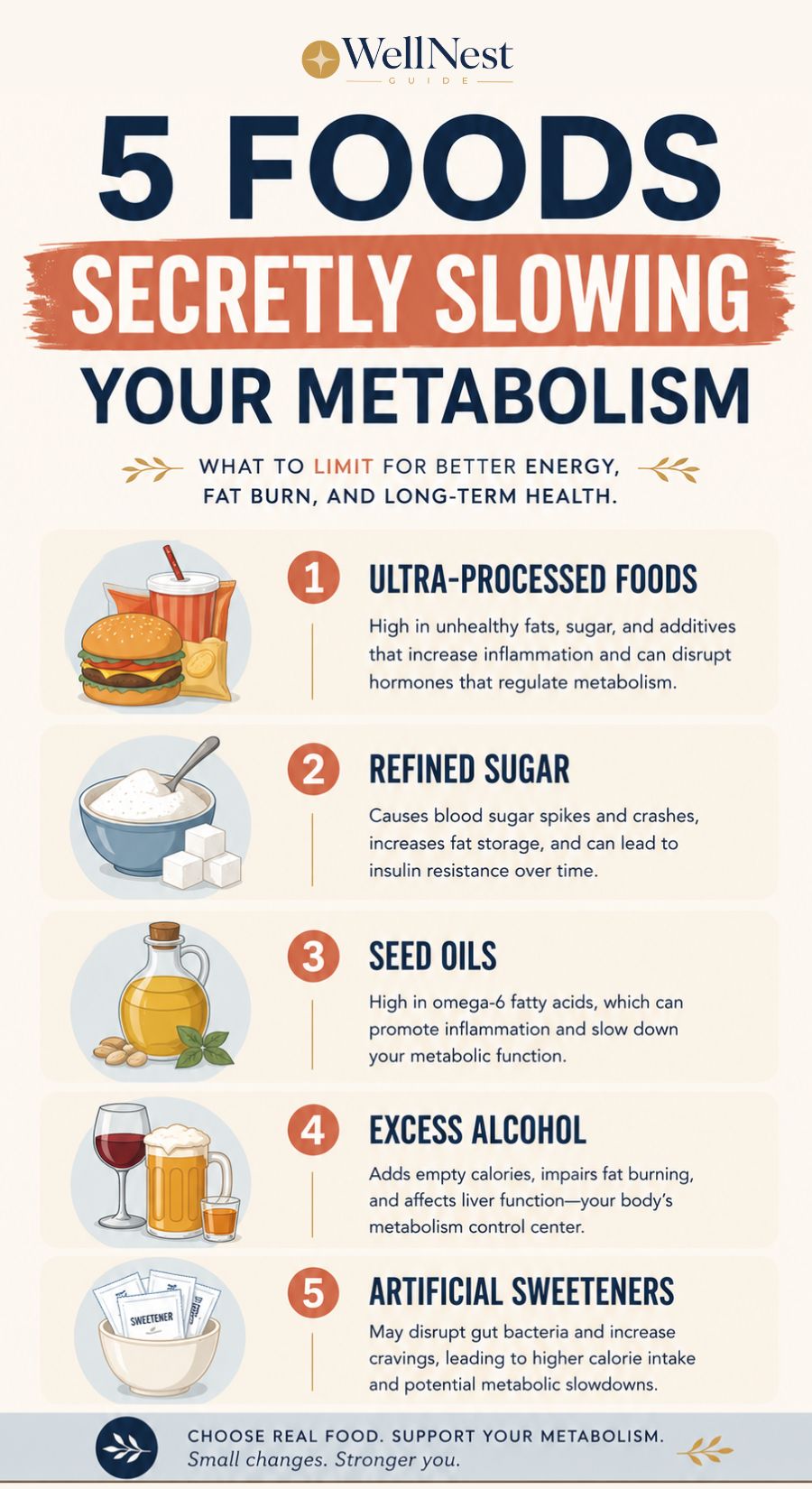
Just as important as what to eat is what to reduce. These are the biggest metabolic suppressors in the modern diet:
- Ultra-processed foods: Engineered to override satiety signals, disrupt gut bacteria, and cause blood sugar chaos — all of which suppress metabolic rate.
- Refined sugars and white flour: Cause rapid blood sugar spikes and insulin surges that promote fat storage and energy crashes.
- Seed oils in excess (canola, soybean, sunflower): High in omega-6 fatty acids that promote inflammatory pathways when consumed in large amounts relative to omega-3s.
- Alcohol: Processed by the liver before everything else, temporarily pausing fat metabolism. Regular consumption reduces gut microbiome diversity and disrupts sleep.
- Artificial sweeteners: Emerging research suggests they may disrupt gut microbiome composition in ways that affect metabolic efficiency.
- High-sodium processed foods: Cause water retention and can affect blood pressure in ways that reduce exercise capacity.
How to Build Metabolism-Boosting Meals
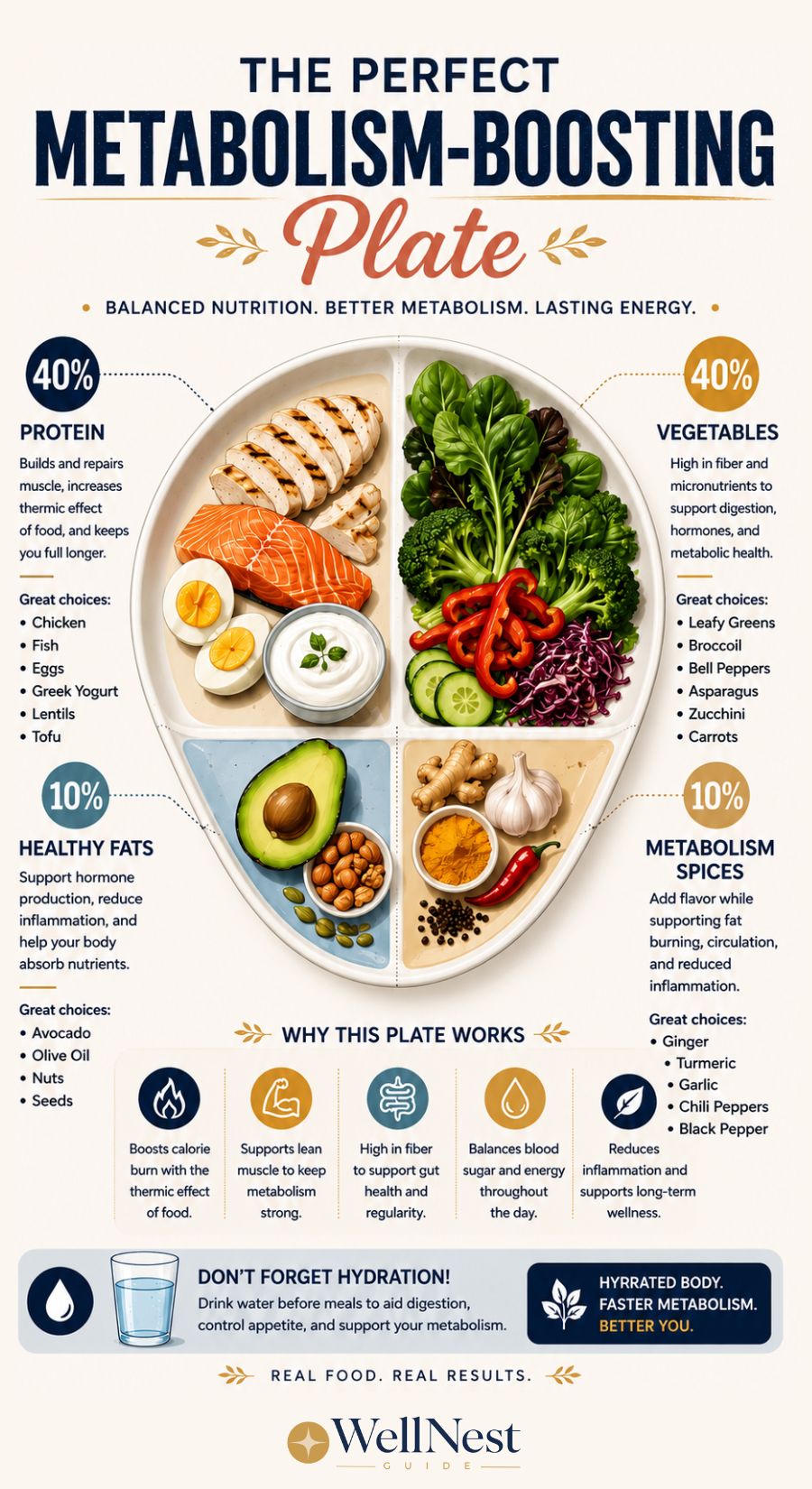
Knowing the foods is one thing — putting them together strategically is what moves the needle. Here’s the simple formula:
Every meal: 25–35g protein (from the protein category above) + non-starchy vegetables + a healthy fat source. This combination maximizes thermic effect, stabilizes blood sugar, and keeps you full between meals.
Add thermogenics: Build in chili, ginger, cinnamon, or turmeric wherever they make sense. These consistently add up over the course of a day and week.
One fermented food daily: Greek yogurt at breakfast, kimchi with lunch, or kefir as a snack. The gut-metabolism connection is real — daily probiotic exposure is worth building in.
Drink before you eat: A glass of water before each meal improves hydration status, creates a slight thermic effect, and has been shown to reduce meal size without conscious restriction.
For specific recipe ideas using these ingredients, see our gut healthy meals article, our 17 high protein dinner ideas, and our Mediterranean Lentil Cottage Cheese Protein Bowl.
Metabolism Boosting Foods: Frequently Asked Questions
What is the single best metabolism boosting food?
If forced to pick one: eggs. They provide complete protein with all essential amino acids, the highest thermic effect of any common breakfast food, choline for fat metabolism, and nutrients that support thyroid function. A two-egg breakfast with vegetables is one of the most metabolically supportive meals you can eat. That said, no single food matters as much as the overall pattern — the ranked table above gives the full picture.
How much protein do I actually need to boost my metabolism?
Aim for 25–35g of protein per meal — the amount shown in research to maximally stimulate muscle protein synthesis and create the highest thermic effect. For most people that’s 90–120g per day total. Our guide on how much protein to eat per meal goes deeper on this.
Do spicy foods really boost metabolism?
Yes — but modestly. The capsaicin in chili peppers temporarily increases metabolic rate by 4–5% and fat oxidation by up to 16% for a few hours after eating. The effect diminishes with regular use as tolerance builds. Use it as a consistent supporting habit rather than expecting dramatic results from a single spicy meal.
Is green tea or coffee better for metabolism?
They work through slightly different mechanisms. Coffee’s caffeine provides a stronger, faster thermogenic effect (3–11% metabolic boost) while green tea’s EGCG + caffeine combination may have a more sustained fat oxidation effect. Coffee has a slight edge for immediate calorie burn; matcha may have an edge for long-term metabolic support. Drink whichever one you’ll drink consistently. See our Metabolism Booster Drinks article for full recipes for both.
Can these foods boost metabolism without exercise?
Yes — but you’re leaving a lot on the table. Food and exercise work together: protein builds the muscle that raises your resting metabolic rate, thermogenic foods increase calorie burn during and after workouts, and anti-inflammatory foods speed recovery so you can train consistently. The foods in this article produce real metabolic benefits without exercise, but they compound dramatically with even moderate movement.
How long does it take to see results from eating metabolism-boosting foods?
Some effects are immediate — capsaicin raises thermogenesis within the meal, caffeine boosts metabolic rate within 30 minutes. Others take weeks: gut microbiome composition shifts meaningfully in 2–4 weeks of consistent dietary changes. Muscle-building benefits from protein take months. Think of it as a layered investment — some returns come quickly, others compound over time.
Are there metabolism boosting foods specifically for women?
The foods in this list benefit all metabolisms, but a few deserve particular mention for women:
- Flaxseeds (support estrogen metabolism through lignans — important during perimenopause)
- Brazil nuts (selenium for thyroid — women are more prone to thyroid dysfunction)
- Iron-rich foods like lentils and turkey (iron deficiency is more common in women and directly slows cellular energy production).
The Bottom Line
There’s no single magic food that transforms your metabolism. But there’s a consistent pattern in the research: people who eat more protein, more fiber, more fermented foods, more anti-inflammatory ingredients, and stay well hydrated have measurably more efficient metabolisms over time.
The foods on this list aren’t exotic or expensive. Eggs, cottage cheese, leafy greens, legumes, ginger, green tea, berries, olive oil, salmon — most of them are already familiar. The goal isn’t to eat all 25 foods every day. It’s to make sure your regular rotation includes enough of them that your metabolism is consistently being supported, not suppressed.
Start with the ones you already like. Add one or two new ones a week. Build from there.
Related Articles You’ll Love
- How to Boost Your Metabolism: 12 Proven Ways That Actually Work
- Metabolism Booster Drinks: 12 Recipes to Sip Your Way to a Faster Metabolism
- 10 Gut Healthy Meals That Also Boost Your Metabolism
- Mediterranean Lentil Cottage Cheese Protein Bowl
- Ginger Turmeric Immunity Shots
- High Protein Dinner Ideas for Fat Loss Under 500 Calories
SHARE THIS WITH A FRIEND!
Please note: This website contains affiliate links. As an Amazon Associate, we earn from qualifying purchases at no additional cost to you.