

Please note: This website contains affiliate links. As an Amazon Associate, we earn from qualifying purchases at no additional cost to you.
Target keywords: hypothyroid smoothie recipes, recipes for hypothyroid, hypothyroid recipes, foods for thyroid health
If you’ve been living with hypothyroidism for any length of time, you already know that the fatigue isn’t just “a little tired.”
It’s the kind of tired where you wake up after a full night of sleep and still feel like you haven’t slept at all. The brain fog is real. The weight that doesn’t budge no matter what you do is real. And the frustration of doing everything “right” and still feeling off? Very, very real.
One of the most powerful things you can do alongside your medical treatment is pay close attention to what you’re eating — and drinking. Certain nutrients play a direct role in how well your thyroid functions, how efficiently it converts hormones, and how much inflammation your body is dealing with on a daily basis. And smoothies are one of the easiest, most approachable ways to pack those nutrients in, especially on the mornings when cooking feels like too much to ask.
These hypothyroid smoothie recipes are built around ingredients that genuinely support thyroid health — not trendy superfoods thrown together for clicks, but whole foods with real nutritional science behind them. Some are creamy and comforting. Some are bright and energizing. All of them are easy enough to make before your morning coffee has even finished brewing.
What Your Thyroid Actually Needs (And Why Smoothies Help)
Before we get to the recipes, a quick primer on the nutrients that matter most for thyroid function — because the best hypothyroid smoothie recipes aren’t random. They’re intentional.
- Iodine is the mineral your thyroid literally cannot make hormones without. Most people get enough from iodized salt and dairy, but it’s worth being mindful. Seaweed and certain dairy products are good food sources.
- Selenium is essential for converting inactive thyroid hormone (T4) into the active form your cells can actually use (T3). Brazil nuts are the single most concentrated food source of selenium on the planet — one or two nuts can meet your entire daily requirement.
- Zinc supports thyroid hormone production and is found in pumpkin seeds, hemp seeds, and cashews — all smoothie-friendly.
- Vitamin D has a well-documented connection to thyroid autoimmune conditions like Hashimoto’s. Fortified milks and fatty fish are sources, but many people with hypothyroidism are deficient and supplement.
- Anti-inflammatory foods matter because Hashimoto’s thyroiditis — the most common cause of hypothyroidism — is an autoimmune condition. Ingredients like turmeric, ginger, leafy greens, and berries help calm the chronic low-level inflammation that can make symptoms worse.
What smoothies do well: They let you combine several of these nutrients in one meal, first thing in the morning, in a way that’s fast and easy to stick to. They also tend to be easier on digestion, which matters because many people with hypothyroidism deal with sluggish gut motility.
IMPORTANT NOTE: Raw cruciferous vegetables like kale and spinach contain goitrogens, compounds that can interfere with thyroid hormone production in very large amounts. Cooking deactivates most of them, but moderate amounts of raw spinach or kale in a smoothie are generally considered fine for most people — especially when iodine intake is adequate. If you have concerns, talk to your doctor or registered dietitian. And always keep your smoothies as part of your broader treatment plan, not a replacement for it.
Our Favorite Hypothyroid Smoothie Recipes
| Smoothie | Key benefit |
|---|---|
| Brazil Nut Banana | Full daily selenium in 2 nuts — supports T4→T3 hormone conversion |
| Golden Turmeric Ginger | Curcumin + ginger calm the autoimmune inflammation behind Hashimoto’s |
| Blueberry Spinach Booster | Antioxidants, iron, and probiotics for thyroid and gut health |
| Maca Cacao Morning | Adaptogen support for hormonal balance, energy, and adrenal function |
| Pumpkin Seed Green | Zinc from pepitas supports thyroid hormone synthesis; bromelain aids digestion |
| Ashwagandha Adaptogen | May support T3/T4 levels and reduce thyroid antibodies; calms cortisol |
| Lemon Ginger Detox | Supports liver function — where most T4 gets converted to active T3 |
| Creamy Vanilla Protein | High protein boosts metabolic rate; chia seeds add omega-3s for hormone balance |
1. The Brazil Nut Banana Smoothie
Your daily selenium in one glass
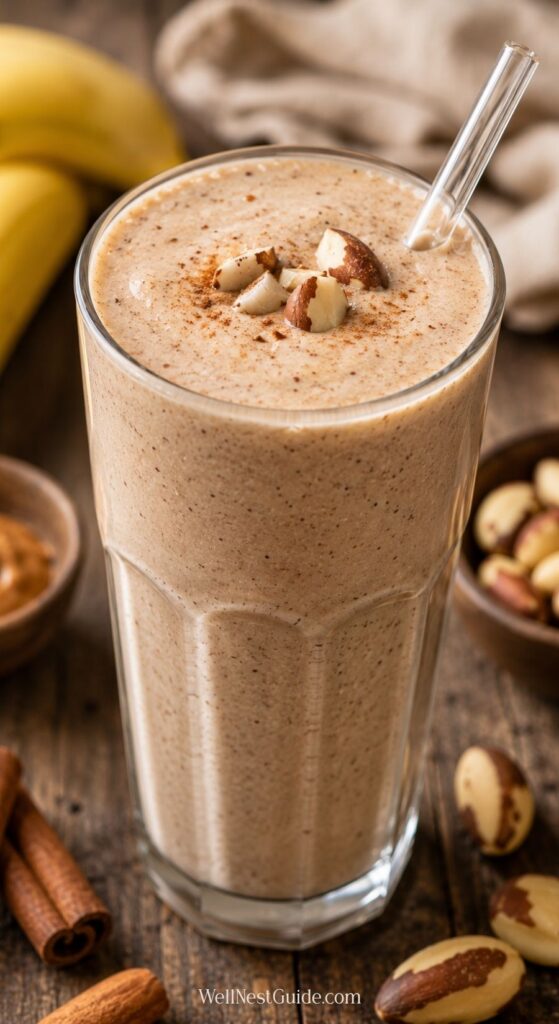
This one is as straightforward as it gets, and it might be the single most thyroid-targeted smoothie on this list. Brazil nuts are the star — just two of them deliver your entire daily recommended intake of selenium. Paired with banana for natural sweetness and potassium, this is a great starting-point recipe if you’re new to building smoothies around thyroid health.
Ingredients:
- 2 Brazil nuts
- 1 ripe banana (frozen works great)
- 1 cup unsweetened almond milk or oat milk
- 1 tablespoon almond butter
- ½ teaspoon cinnamon
- 1 teaspoon honey (optional)
- 4–5 ice cubes
Directions: Add everything to your blender and blend until smooth and creamy. Serve immediately.
Why it works for hypothyroid: Selenium from the Brazil nuts supports T4-to-T3 conversion. Cinnamon has been shown to help with blood sugar regulation, which is often disrupted in hypothyroidism. Almond butter adds zinc and healthy fat to help with fat-soluble nutrient absorption.
Taste: Think banana bread in a glass. Rich, slightly sweet, completely satisfying.
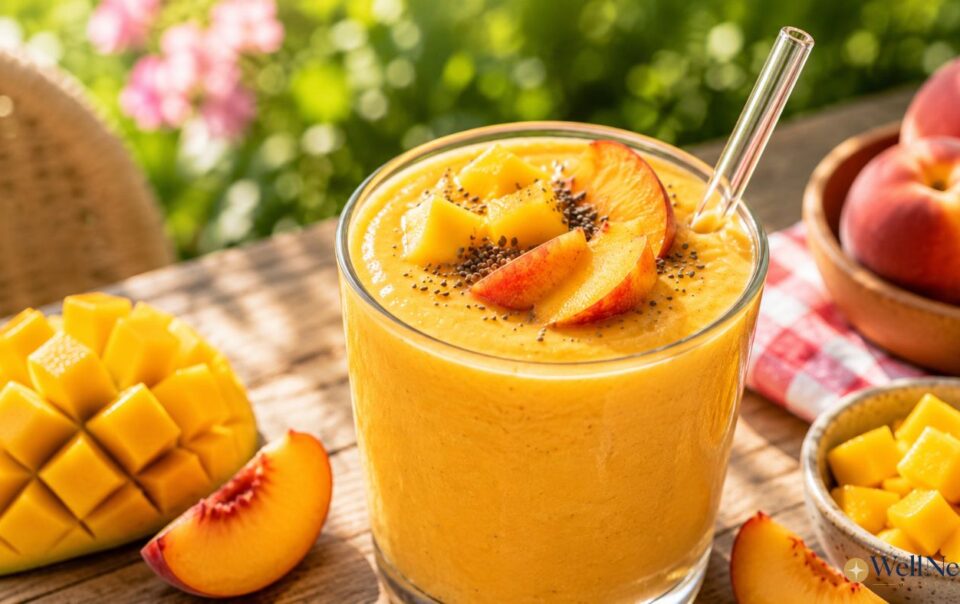
2. Golden Turmeric Ginger Smoothie
Anti-inflammatory and warming
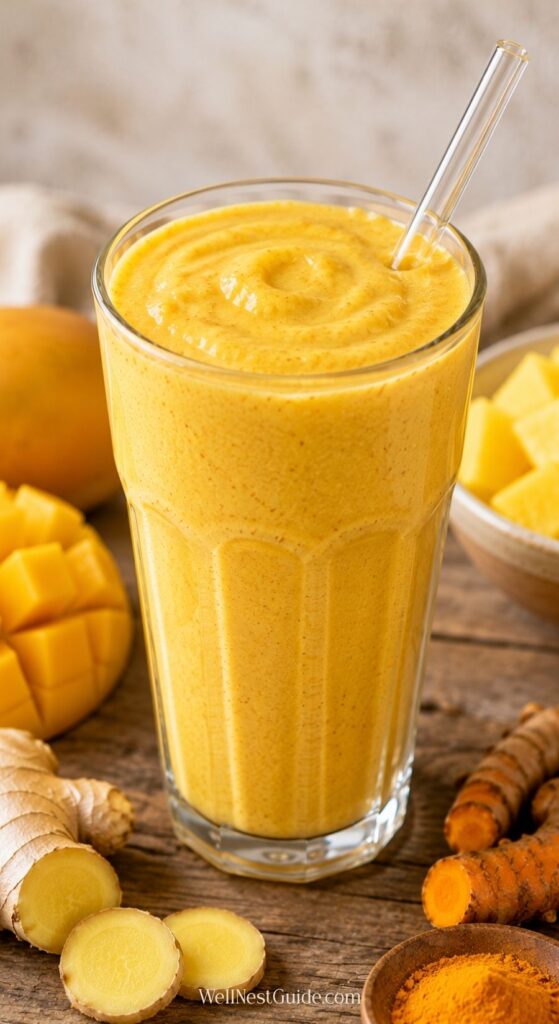
If inflammation is driving your hypothyroid symptoms — and for many people with Hashimoto’s, it absolutely is — this smoothie is your new best friend. Turmeric’s active compound, curcumin, is one of the most well-studied natural anti-inflammatories. Ginger layers on top with its own anti-inflammatory and digestive benefits, and the mango and coconut milk make it feel like a treat rather than medicine.
Ingredients:
- 1 cup frozen mango chunks
- ½ cup frozen pineapple chunks
- 1 cup full-fat coconut milk (or light coconut milk)
- 1 teaspoon fresh grated turmeric (or ½ teaspoon ground)
- ½ teaspoon fresh grated ginger (or ¼ teaspoon ground)
- A pinch of black pepper (important — activates curcumin absorption)
- 1 tablespoon collagen peptides (optional but supportive)
Directions: Blend all ingredients until smooth. The coconut milk gives it a silky, almost dessert-like texture.
Why it works for hypothyroid: The curcumin in turmeric helps modulate the inflammatory response associated with autoimmune thyroid conditions. Black pepper is non-negotiable — without it, curcumin has very poor bioavailability. The fat in coconut milk also helps with absorption of fat-soluble compounds.
Taste: Bright, tropical, and warming. Almost like a golden milk smoothie bowl.
3. Blueberry Spinach Thyroid Booster
Antioxidant-rich and beginner-friendly
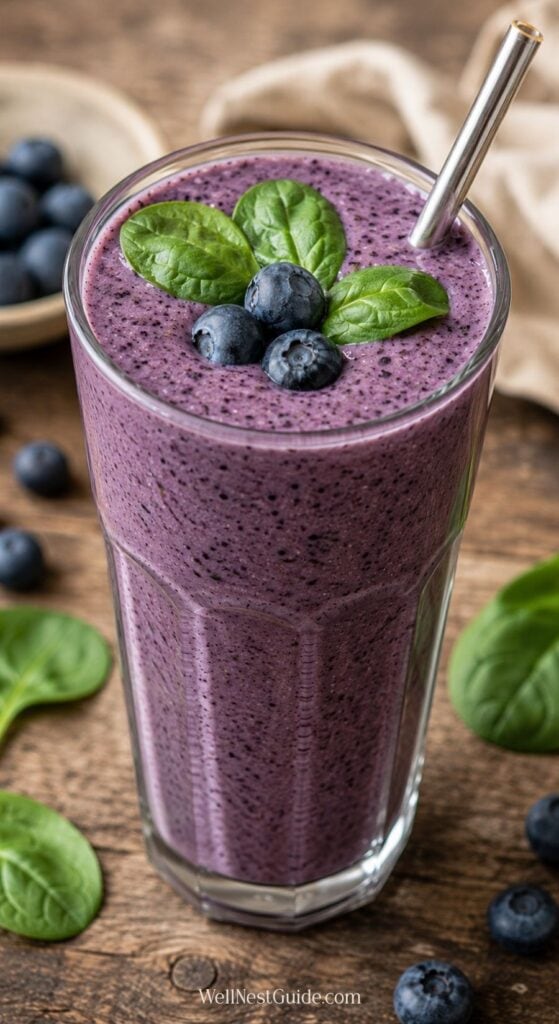
Don’t let the spinach intimidate you — you genuinely cannot taste it once the blueberries take over. This is probably the most beginner-friendly hypothyroid smoothie on the list, and it covers a lot of nutritional ground: antioxidants from the berries, iron and folate from the spinach, and selenium if you add the Brazil nut.
Ingredients:
- 1 cup frozen blueberries
- 1 large handful of fresh spinach (about 1–2 cups loosely packed)
- 1 Brazil nut
- 1 cup unsweetened almond milk
- ½ cup plain Greek yogurt (adds protein and probiotics)
- 1 tablespoon ground flaxseed
- ½ teaspoon vanilla extract
Directions: Add the liquid first, then the spinach, then the remaining ingredients. Blend on high until completely smooth — about 60 seconds.
Why it works for hypothyroid: Blueberries are loaded with anthocyanins, which have antioxidant and anti-inflammatory properties. Flaxseed provides omega-3 fatty acids and lignans that may support hormone balance. Greek yogurt adds gut-supporting probiotics, which matters because thyroid dysfunction is linked to disrupted gut microbiome.
Taste: Sweet, slightly tart, deeply purple. Nobody will ever guess there’s spinach in it.
4. Maca Cacao Morning Smoothie
For energy and hormone support
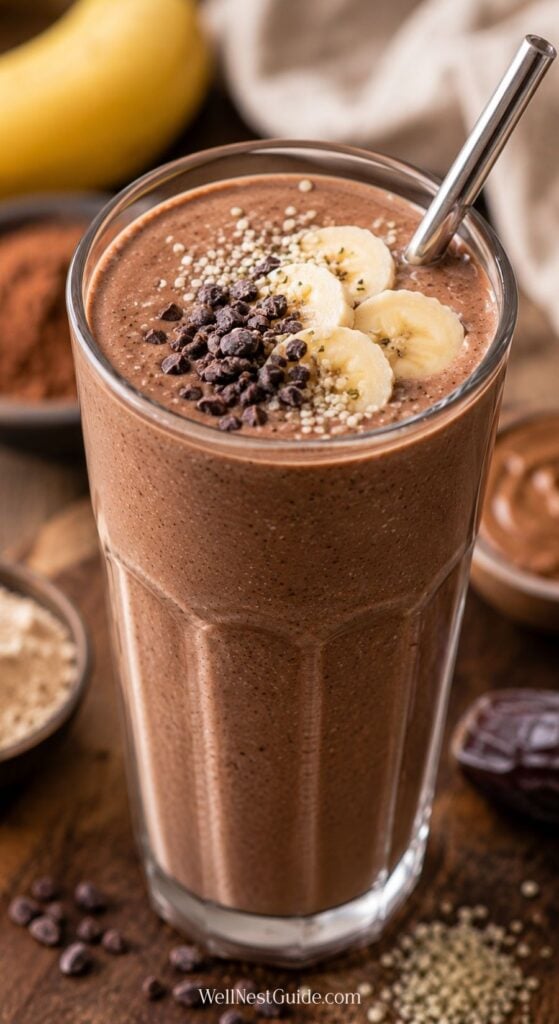
Maca root has a long history of use for hormonal balance and fatigue — two things that hypothyroid sufferers deal with constantly. It has an earthy, slightly malty flavor that pairs beautifully with cacao. This smoothie feels indulgent enough to look forward to, which matters when you’re trying to build a consistent morning habit.
Ingredients:
- 1 frozen banana
- 1 tablespoon maca powder
- 1 tablespoon raw cacao powder (not cocoa — raw cacao retains more nutrients)
- 1 tablespoon almond butter or cashew butter
- 1 cup unsweetened oat milk
- 1 Medjool date, pitted (for sweetness)
- 1 tablespoon hemp seeds
- 4–5 ice cubes
Directions: Blend until smooth and creamy. Taste and adjust sweetness with an extra date if needed.
Why it works for hypothyroid issues: Maca is an adaptogen that may support overall hormonal balance and energy levels. Raw cacao is rich in magnesium, which plays a role in thyroid hormone metabolism. Hemp seeds deliver zinc, an essential mineral for thyroid hormone production. This combination also supports adrenal function, which often takes a hit alongside thyroid dysfunction.
Taste: Like a chocolate milkshake with a slightly earthy, nutty depth. Very satisfying.
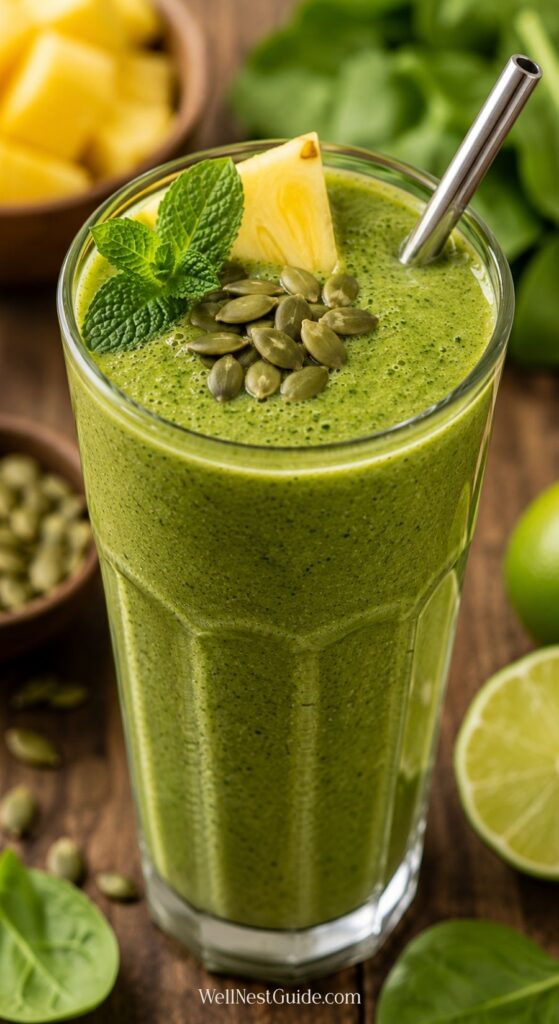
5. Pumpkin Seed Green Smoothie
Zinc-forward and surprisingly delicious
Pumpkin seeds are one of the best plant-based sources of zinc, and zinc is critical for thyroid hormone synthesis. They also add a mild, neutral flavor that blends easily without overpowering anything. This green smoothie keeps things light and fresh — perfect for warmer mornings when you want something that feels clean rather than heavy.
Ingredients:
- 1 cup frozen pineapple
- ½ frozen banana
- 1 large handful of spinach or baby kale
- 2 tablespoons raw pumpkin seeds (pepitas)
- 1 cup coconut water
- ½ cup water or more to thin
- Juice of ½ lime
- Fresh mint leaves (optional but really lovely)
Directions: Blend everything together until smooth. Add more coconut water if needed to reach your preferred consistency.
Why it works for hypothyroid: Zinc from the pumpkin seeds supports the synthesis of thyroid hormones. Coconut water provides natural electrolytes, which is helpful since hypothyroidism can disrupt fluid balance. Pineapple contains bromelain, a digestive enzyme that may help with the gut sluggishness that often accompanies low thyroid function.
Taste: Bright, tropical, and refreshing with a little tang from the lime. Light enough to drink even when your appetite is low.
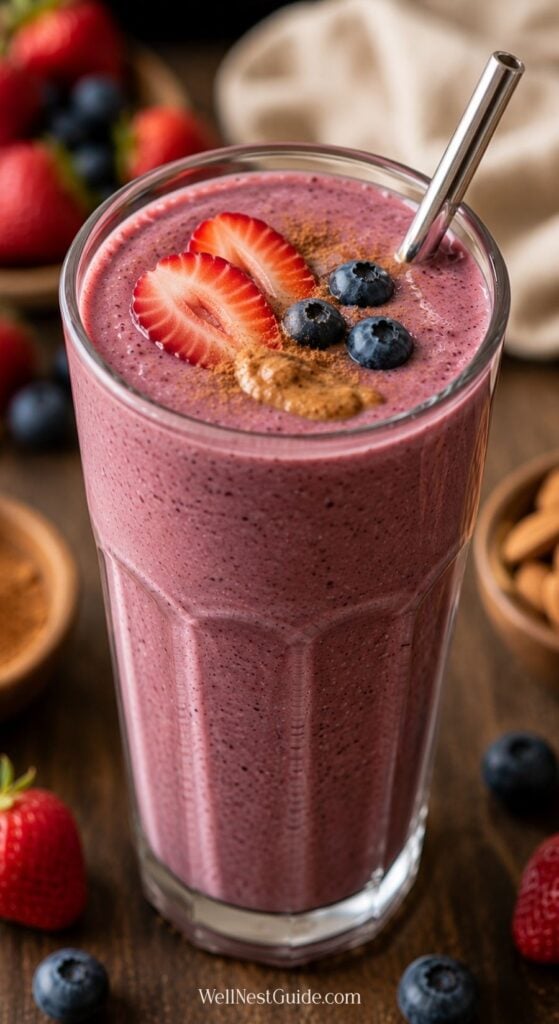
6. Ashwagandha Adaptogen Smoothie
For stress and thyroid support
Chronic stress elevates cortisol, and elevated cortisol can interfere with thyroid hormone conversion and increase inflammation. Ashwagandha is one of the most researched adaptogens for stress response — and some studies have specifically looked at its potential to support thyroid hormone levels. This smoothie pairs it with ingredients that balance the slightly bitter, earthy flavor of the powder.
Ingredients:
- 1 cup frozen strawberries or mixed berries
- 1 frozen banana
- 1 teaspoon ashwagandha powder
- 1 tablespoon almond butter
- 1 teaspoon raw honey
- 1 cup unsweetened almond milk
- ¼ teaspoon cinnamon
Directions: Blend until smooth. Taste before serving — the banana and honey should balance the ashwagandha nicely, but you can add a touch more honey if it still tastes too earthy for you.
Why it works for hypothyroid: Ashwagandha has been studied for its potential to support T3 and T4 levels and reduce thyroid antibodies in some populations. It also supports the adrenal-thyroid connection by helping regulate the body’s stress response. Note: some sources suggest ashwagandha may not be appropriate for hyperthyroidism — this recipe is specifically designed for hypothyroid support.
Taste: Fruity and sweet up front with a warm, slightly earthy finish from the ashwagandha and cinnamon. Most people find it pleasant once they get used to the adaptogen flavor.
7. Lemon Ginger Detox Smoothie for Hypothyroid
Cleansing, bright, and liver-supportive
Your liver plays a critical but often overlooked role in thyroid health — it’s where a significant portion of T4 gets converted to the active T3 your cells need. Supporting liver function through diet can genuinely help improve thyroid hormone availability. This smoothie is built around that connection, with ingredients that support both liver detoxification and thyroid function.
Ingredients:
- 1 cup frozen mango or pineapple
- ½ cup frozen banana
- Juice of 1 large lemon
- 1-inch piece of fresh ginger, peeled
- 1 tablespoon ground flaxseed
- 1 small carrot, roughly chopped
- 1 cup water or light coconut milk
- 1 teaspoon raw honey
Directions: Blend everything together, starting on low and increasing to high. If the fresh ginger is too intense, reduce to ½ inch.
Why it works for hypothyroid: Lemon supports liver detoxification pathways. Flaxseed provides lignans that support hormone balance. Carrots are a source of beta-carotene, which the body can convert to vitamin A — important because vitamin A is involved in thyroid hormone receptor function. Ginger reduces gut inflammation, which helps with the digestive slowdown that comes with hypothyroidism.
Taste: Bright and zippy with a real ginger kick. If you love lemon ginger tea, you’ll love this.
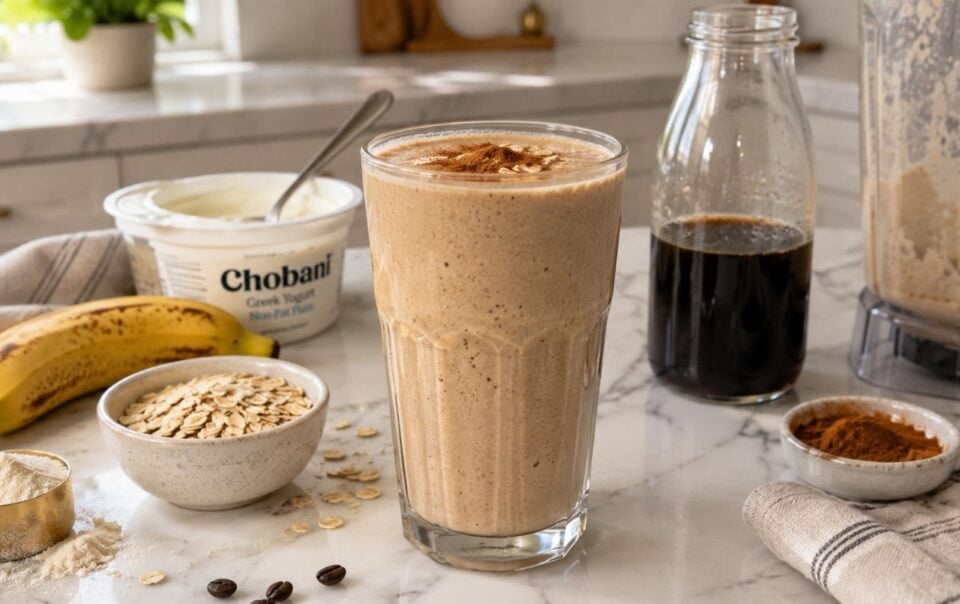
8. Creamy Vanilla Protein Smoothie for Slow Metabolism
Satisfying, metabolism-supporting, and meal-worthy
One of the most frustrating aspects of hypothyroidism is how dramatically it can slow your metabolism. Adequate protein intake is one of the key levers for supporting metabolic rate — protein has a higher thermic effect than carbohydrates or fat, meaning your body burns more calories just digesting it. This smoothie is built to be genuinely filling and protein-forward without tasting like a supplement shake.
Ingredients:
- 1 scoop vanilla protein powder (look for a clean ingredient list — whey or plant-based)
- 1 frozen banana
- 1 tablespoon almond butter
- 1 tablespoon chia seeds
- 1 cup unsweetened almond milk
- ½ teaspoon vanilla extract
- ¼ teaspoon cinnamon
- 1–2 Brazil nuts
- 4–5 ice cubes
Directions: Blend until smooth and thick. This one is meant to be meal-replacing — drink it slowly and let it actually fill you up.
Why it works for hypothyroid: Protein supports metabolism and muscle maintenance, which is important since hypothyroidism can cause muscle weakness. Chia seeds provide omega-3s and fiber for gut health. The Brazil nuts bring selenium back in for good measure. Cinnamon helps with blood sugar stability throughout the morning.
Taste: Vanilla milkshake. Genuinely. Rich, creamy, and satisfying enough to hold you for hours.
Tips for Making the Most of Your Hypothyroid Smoothie Routine
Timing matters. If you take thyroid medication (like levothyroxine), most doctors recommend taking it on an empty stomach and waiting at least 30–60 minutes before eating. Have your smoothie after that window.
Watch the raw goitrogens. Spinach and other leafy greens are fine in moderate amounts. Large quantities of raw cruciferous vegetables (kale, broccoli, cauliflower) are more of a concern. If you want to use kale, try lightly steaming it first and then freezing it in smoothie-sized portions — it blends beautifully and you’ve deactivated most of the goitrogenic compounds.
Batch prep your freezer packs. On a Sunday, portion out the non-liquid ingredients for each smoothie into freezer bags or containers. In the morning, dump a bag into the blender, add your liquid, and blend. Done in under two minutes.
Rotate your recipes. Variety in your smoothies means variety in your nutrient intake. Try to cycle through different recipes during the week rather than making the same one every day.
Don’t skip the fat. Thyroid hormones are fat-soluble. Healthy fats from almond butter, coconut milk, and seeds help your body actually absorb and use the nutrients you’re blending. Low-fat smoothies aren’t necessarily better smoothies when thyroid health is the goal.
A Word on Managing Hypothyroidism Holistically
These smoothies are a genuinely supportive addition to a thyroid-health focused lifestyle — but they work best as part of a bigger picture. If you’re not already working with a doctor or endocrinologist, getting your TSH, free T3, free T4, and thyroid antibody levels tested regularly is important. Nutrition can do a lot, but it works alongside medical treatment, not instead of it.
Many people with hypothyroidism also find that addressing other factors — sleep, stress levels, gut health, vitamin D, and gluten sensitivity (which has a documented connection to Hashimoto’s) — makes a meaningful difference in how they feel. The smoothies are a starting point, not the whole answer. But they’re a really, really good starting point.
Frequently Asked Questions About Hypothyroid Smoothie Recipes
Are smoothies good for hypothyroidism?
Smoothies can be an excellent addition to a hypothyroid-supportive diet because they make it easy to pack in nutrients like selenium, zinc, iodine, and anti-inflammatory compounds that support thyroid function. The key is choosing ingredients intentionally — the recipes above are built with that in mind.
What is the best drink for hypothyroid?
There’s no single magic drink, but smoothies made with Brazil nuts (for selenium), anti-inflammatory ingredients like turmeric and ginger, and adequate protein are among the most supportive options. Some people also find green tea, bone broth, and warm lemon water helpful additions to their morning routine.
Can I have a smoothie with hypothyroid medication?
Yes, but timing matters. Most thyroid medications (especially levothyroxine) should be taken on an empty stomach, 30–60 minutes before eating. Have your smoothie after that window. Also be aware that calcium-rich smoothies (made with dairy milk or calcium-fortified milks) can interfere with medication absorption if consumed too close together.
Are green smoothies bad for thyroid?
Not necessarily. The concern is goitrogens — compounds found in raw cruciferous vegetables that can interfere with thyroid function in very large amounts. Moderate amounts of raw spinach are generally fine. If you want to use kale or other cruciferous greens, lightly steaming them first reduces the goitrogenic compounds significantly.
What should I avoid putting in a smoothie if I have hypothyroidism?
Avoid very large amounts of raw kale or other raw cruciferous vegetables. Soy products (soy milk, tofu) consumed in large quantities may interfere with thyroid hormone absorption, so it’s worth being mindful. Coffee is another one to keep away from your medication window, though it’s fine in general. If you have concerns, as always, please talk with your primary care doctor or endocrinologist.
Pin-Worthy Takeaways
- Brazil nuts are the most selenium-dense food on earth — just 2 per day supports thyroid hormone conversion
- Turmeric + black pepper is a must for anyone with Hashimoto’s — curcumin needs piperine to be absorbed
- Your liver converts T4 to T3 — lemon, ginger, and flaxseed support that process
- Zinc from pumpkin seeds and hemp seeds supports thyroid hormone synthesis
- Batch prep your smoothie freezer packs on Sunday and your mornings get dramatically easier
Always consult with your healthcare provider or a registered dietitian before making significant dietary changes, especially when managing a thyroid condition. These recipes are intended to support — not replace — medical treatment for hypothyroidism.
Please note: This website contains affiliate links. As an Amazon Associate, we earn from qualifying purchases at no additional cost to you.